
Skin Diseases
Ichthyosis
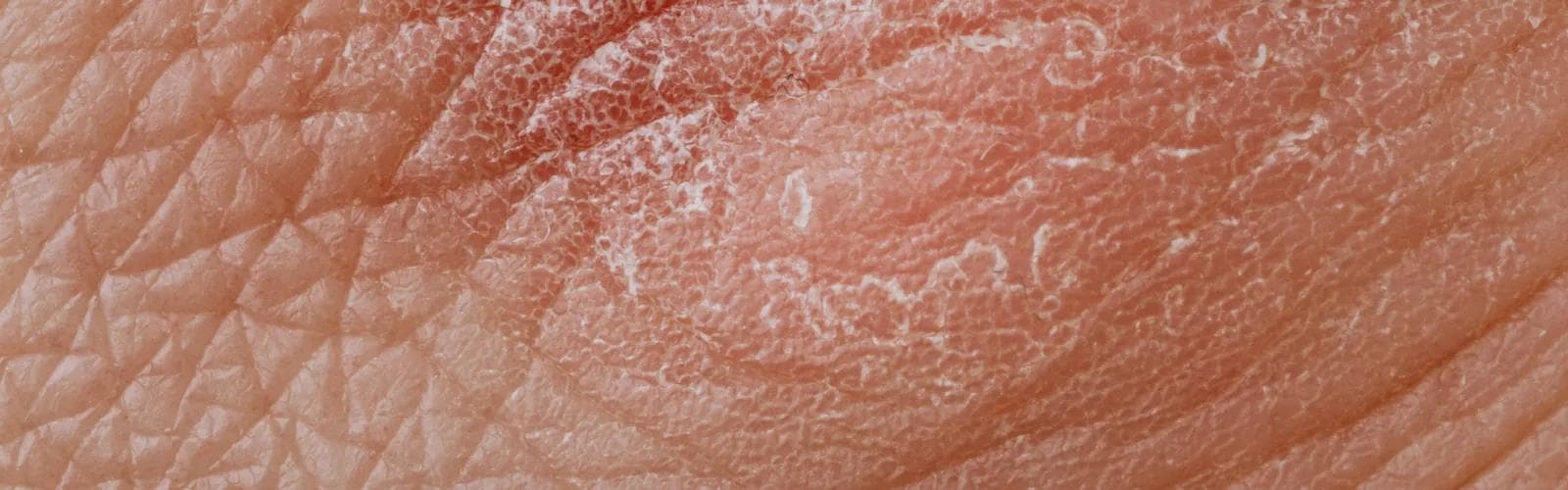
Dry, flaky skin is often thought of as a seasonal condition or a simple lack of moisture. Yet in some people, this dryness and flaking is a sign of a genetically based skin disease that has been present since birth: ichthyosis. Known popularly as "fish-scale disease," this condition arises from a disruption in the skin's self-renewal process and requires regular, lifelong care. In this article we cover what ichthyosis is, its causes, symptoms, and diagnostic and treatment methods in plain language.
What Is Ichthyosis?
It is the common name for a group of skin diseases that present with the outermost layer of the skin (the epidermis) becoming much thicker, drier and scalier than normal. Its most common type (ichthyosis vulgaris) occurs in roughly 1 in every 250 people; severe congenital forms are far rarer.
What Causes Ichthyosis?
A genetic cause (deficiency of the filaggrin protein), the mode of inheritance in the family (which varies by type), occurrence together with other findings (hearing loss, developmental disorders), and acquired ichthyosis that develops later (cancer, thyroid disease, kidney failure, medications, nutritional deficiency).
The Main Types of Ichthyosis
Ichthyosis Vulgaris (the most common, the mildest), X-Linked Ichthyosis (only in males), Lamellar Ichthyosis and Congenital Ichthyosiform Erythroderma (severe, congenital), Epidermolytic Ichthyosis (accompanied by blistering), and Netherton Syndrome and similar forms (with additional findings).
The Symptoms of Ichthyosis
Constant dryness/flaking (gray-white/brown, angular), itching, a feeling of tightness (worse in winter), thickening on the palms/soles, difficulty sweating, and, in severe forms, cracking/risk of infection/outward-turning of the eyelids.
Ichthyosis and the Skin Microbiome
In patients with congenital ichthyosis, the skin’s bacterial/fungal balance differs markedly compared with healthy individuals; protective species decrease while opportunistic microbes increase. The relationship between the gut microbiome and skin health (as in acne, psoriasis, atopic dermatitis and chronic urticaria) is also a subject of research.
How Is Ichthyosis Diagnosed?
Clinical examination, family history, skin biopsy, genetic testing, and assessment of additional organs (hearing, eyes, nervous system).
What Can It Be Confused With?
Simple skin dryness (xerosis), atopic dermatitis, psoriasis, and keratosis pilaris.
How Is It Treated?
Moisturizing (urea, lactic acid, glycerin), scale-reducing products (salicylic acid, AHA), bathing and skin care, oral medications (retinoid group, in moderate-to-severe forms), and nutritional/lifestyle support (omega-3, vitamins C/E — these do not replace treatment but are complementary).
Daily Care Recommendations
Moisturizer right after bathing, avoiding harsh soaps, a room humidifier, short lukewarm showers, breathable fabrics, early intervention for cracks, and genetic counseling in severe congenital types.
Realistic Expectations and Long-Term Follow-Up
Most types last a lifetime but are manageable; the goal is not to “cure” but to strengthen the barrier and reduce symptoms.
Frequently Asked Questions
Is ichthyosis contagious?
No. Ichthyosis is a disease of genetic origin and does not spread from person to person.
Can ichthyosis be cured completely?
For most types there is no permanent cure, but with regular care the symptoms can be largely brought under control.
How does ichthyosis progress in children — does it improve as they grow?
In some mild forms the symptoms may ease with age, but the disease usually persists to some degree throughout life.
Does ichthyosis affect the mother or the baby during pregnancy?
The risk of passing the disease to the baby varies according to the pattern of inheritance in the family; genetic counselling before family planning is recommended.
Is the sun good or bad for ichthyosis?
Moderate sun can reduce skin dryness in some patients, but excessive sun exposure can irritate the skin; a balanced approach is important.
Which doctor should be consulted for ichthyosis?
Consulting a dermatologist is recommended for diagnosis and treatment planning; if a syndromic form is suspected, a referral to a geneticist may also be made.
How often should moisturiser be used?
It is recommended to apply it at least twice a day, and after bathing while the skin is still damp; in severe cases more frequent application may be needed.
Is ichthyosis related to weight or diet?
Hereditary forms are independent of diet, but severe nutritional deficiencies can rarely lead to acquired ichthyosis-like conditions; a balanced diet supports overall skin health.
Does ichthyosis cause itching?
In some patients, yes; regular moisturising can help reduce the itching.
This article is for general information purposes and does not replace medical advice. For diagnosis and treatment, be sure to consult a specialist.
Have a question?
Leave us what you'd like to know about Ichthyosis, and we'll call you back.